



Rwanda
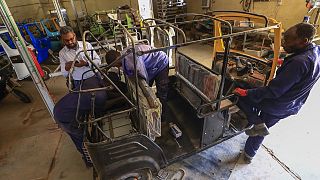
In Rwanda the conversion of fuel motors to electric vehicles is helping drive emissions down.
Electric motorcycle taxis are helping to drive the change in a country where fuel guzzlers dominate the roads. The argument for conversion is strong, according to the CEO of Rwanda Electric Motors Limited, Donald Kabanda.
"One battery can cover up to 60 kilometres and it costs 900 [Rwandan] francs, and if you compare it to one litre of petrol that costs about 1.000 Rwandan francs and it covers only 35 kilometres, so if you compare economically there is an advantage for the riders", says the CEO.
The drawback for many is still the lack of an extensive charging network.
"My clients are happy with the electric motorcyle. They move so well compared to the fuel motocryles. The only problem they find is that the distance they cover is relatively small because of unavailability of electricity", claims motorcycle driver, Evode Niyorurema.
The authorities plan to convert 30 percent of motorcycles, 20 percent of buses and 25 percent of mini and micro buses to electric power by 2030.
"So far we have retrofitted 80 bikes and we have new pure electric, around 200 bikes, that are already in operation", adds Donald Kabanda.
The conversion policy is financed by the Rwandan government and the United Nations Development Programme.







02:18
African leaders sound alarm on impact of climate change and urbanisation
01:00
Pope Leo XIV tests Ferrari’s electric future with new Luce supercar
Go to video
Traders in eastern Congo warn of shortages due to Rwanda border measures
01:00
India faces extreme heat as dead fish wash up in New Delhi
01:00
Intensifying heat wave grips northern India as temperatures near 48°C
00:57
Who was Felicien Kabuga? The fugitive financier of genocide