



sahel
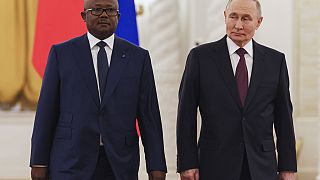
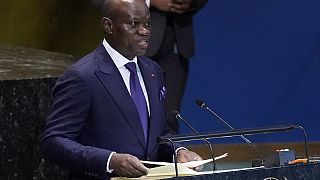
During the UN General Assembly, Umaro Sissoco Embalo, president of Guinea-Bissau and ECOWAS acting chair, seized the opportunity to draw the attention of world leaders to the evolution of "terrorism, violent extremism and transnational crime" in the Sahel regions.
"The stability of a large part of our continent in general, and of West Africa in particular, is threatened by insecurity caused by terrorism, violent extremism, and transnational crime. We must necessarily involve the entire international community and the UN in particular."
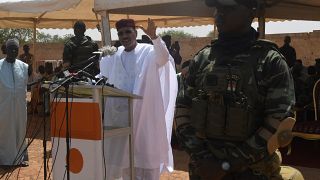
The President of Niger, who is chairing the High-Level Panel on Security and Development in the Sahel, beckoned the international community to invest in education to fight against violence, and hence prevent terrorism.
"The population and the degradation of the climate, in combination, have created, thanks to the regional disorder following the fall of the regime of colonel Ghaddafi in 2011, the situation of chaos that the countries of the Sahel are experiencing today."
We must act by investing the necessary resources in education to fight against today's violence and prevent tomorrow's violence."
In December last year, the African Union and the United Nations pledged to work together, in tandem with the Economic Community of West African States (ECOWAS) and the G5 Sahel, which brings together five Sahelian countries, to improve the overall response to security, governance and development across the Sahel.

00:41
Russian-led Africa corps accused of atrocities in Mali
01:00
Central African Republic prepares for critical elections amid persisting instability
01:14
UN marks 10th anniversary of day of genocide prevention and commemoration
01:52
Nigeria: Abducted schoolchildren reunite with families as over 150 remain captive
Go to video
Nigeria reacts to Mali statement after emergency military plane landing
01:12
Mozambique: surge in violence displaces more than 100,000 people