



South Africa
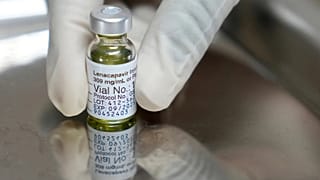
South Africa has become the first African country, and only the third nation worldwide, to register a new twice-yearly HIV prevention jab.
It is believed the lenacapavir (LEN) injection could end HIV/Aids in the country within 14 to 18 years if enough people were able to take it.
The rapid approval of the LEN jab by the South African Health Products Regulatory Authority (Sahpra) opens the way for the health department to begin providing citizens with the shot.
It says it could start rolling out access from as early as February next year.
However, initial LEN doses are being paid for with a $29.2 million grant by the Global Fund to fight HIV, TB, and Malaria.
This is only enough for 456,360 people to be phased in over two years, nowhere near the one to two million doses per year South Africa would need to end Aids within 18 years.
Some eight million South Africans live with HIV and every week around 1,000 adolescent girls and young women become newly infected.
The revolutionary jab is almost full-proof protection for HIV-negative people, who weigh 35kg or more, against getting the virus through sex.
Early data shows it is also safe for use by pregnant and breastfeeding women, a group with a high chance of contracting HIV.
Sahpra said that lenacapavir, for pre-exposure prophylaxis, should always be used in combination with safer sex practices, such as using condoms, to reduce the risk of getting other sexually transmitted diseases.
“The registration of lenacapavir is a game-changer, given the high prevalence rate of HIV in South Africa. This product is the most effective HIV prevention measure thus far,” said its CEO, Boitumelo Semete-Makokotlela.
Earlier this month, Health Minister Aaron Motsoaledi said that government plans to integrate lenacapavir into domestic financing mechanisms.
He said manufacturers, Gilead, and six pharmaceutical companies, will produce the jab for $40 per person per year, which is a significant reduction from initial $28,000.
Motsoaledi added that pharmaceutical companies and partnerships with the Gates Foundation will produce generic versions, while South Africa actively pursued local manufacturing capabilities.



01:08
Former South African president Jacob Zuma returned to court on Thursday, alongside French arms manuf
01:00
2027 Rugby World Cup: Springboks and All Blacks set for quarterfinal showdown
01:09
UNAIDS urges global unity in World AIDS Day call to action
01:48
Zuma’s daughter resigns amid claims South Africans were lured into Ukraine War
01:30
Global funding cuts devastating HIV prevention programmes says UNAIDS
01:18
World marks International Day for the Elimination of Violence against Women and Girls