



Sudan
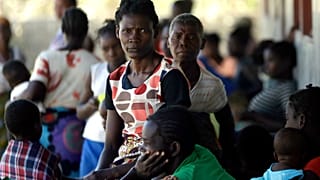
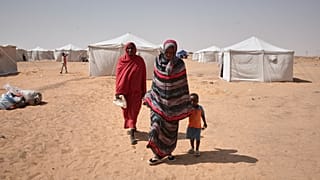
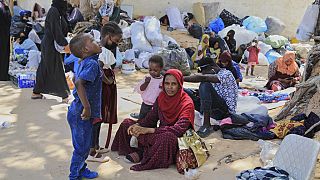
In Darfur, hundreds of thousands of displaced people are crammed into overcrowded camps, struggling against disease, hunger, and trauma after fleeing brutal clashes between the Sudanese army and paramilitary forces. For the first time, foreign journalists have entered this long-sealed region, revealing a humanitarian catastrophe kept from view.
Paramilitaries now control much of the territory, and towns lie abandoned. In Tawila, a rare pocket spared from the fighting, more than 570,000 people have taken refuge, exceeding the population of Lyon. Among them is Fatima Mohamed Umar, who arrived just days ago after escaping El Fasher with her daughter and grandchildren. “There were bombings everywhere, shells falling all around,” she recalls.
Most of the displaced fled El Fasher, just 60 kilometers away. Now in Tawila, they survive on limited food aid and rationed water, as trucks take days to arrive. Dr. Nazir Mouhajr Abdallah of the medical NGO Alima says camp conditions have fueled a deadly cholera outbreak. “Children are particularly affected,” he warns. “Mortality is higher among those under five, especially when malnutrition or malaria are involved.”
But disease isn’t the only trauma. Faiza Abdalla, a mental health worker and refugee herself, helps women confront deep psychological wounds after attacks by paramilitaries. “Some women come to see us,” she says quietly. “Many hide themselves away. They don’t dare.”
A recent UN inquiry accuses both Sudan’s army and paramilitary forces of deliberately targeting civilians, committing atrocities, war crimes, and, in the case of the paramilitaries, crimes against humanity.




01:33
UN sounds alarm as violence in northern Mozambique forces over 100,000 to flee
02:11
Hundreds of children flee to Tawila camp amid violence in Sudan’s west Darfur
Go to video
People displaced from el-Fasher continue to arrive in Tawila, describe horrors of escape
01:27
Celebrations as Haiti qualifies for World Cup for first time in 51 years
01:37
Pregnant women flee Sudan conflict amid life-threatening conditions
01:37
UN deputy chief says conflict and violence are the main drivers of food insecurity