



The Morning Call
This week the United Nations held its climate summit in New York. For many people, climate change is about shrinking glaciers, rising sea levels, heatwaves, and other extreme weather patterns.
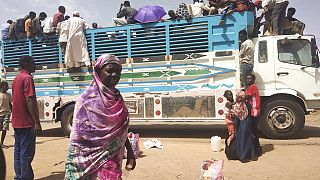
But for pastoralists—livestock farmers in the semi-arid lands of Africa—climate change has forced drastic changes to everyday life. They have had to endure longer journeys to find water and pasture and in some areas, disease epidemics have increased.
From the Sahel to the dry lands of eastern Africa, climate change has severely tested the resilience of pastoralists. Many have been forced to abandon herding or cut the number of livestock, exposing themselves to poverty and food insecurity.
According to the UN, 268 million people depend on pastoralism as a source of livelihood.
![Africanews celebrates fifth anniversary [Night Shift]](https://static.euronews.com/articles/stories/05/57/72/74/320x180_cmsv2_6b1e7837-a917-526b-b3b4-4582a3f8bcac-5577274.jpg)
![Africanews celebrates fifth anniversary [Morning Call]](https://static.euronews.com/articles/stories/05/57/72/70/320x180_cmsv2_a6c857d4-80a3-510a-88e6-f060ea8d9ee9-5577270.jpg)
 Post your comment on Twitter with
 Sms or Whatsapp us to (+242) 064 77 90 90
 Email us on
  Leave a voice message


01:09
Climate warning: El Niño offers a glimpse of a deadlier, hotter future
01:10
World Rhino Day: Less than 27,000 of the giant animals remain in the wild
00:57
Tunisia says 2026 summer hottest on record, temperatures topped 49.7°C
01:00
Torrential rain and flooding slam Tunis, forcing schools to close
02:19
Sudanese women preserve bridal henna tradition amid war and water crisis
01:46
More than 12 trillion tons of ice lost as climate change accelerates polar melt