



Tunisia
Tunisian Mps are to convene on Monday (Mar. 13) after a two-year hiatus. The new assembly was elected by about 11% -in both rounds- of registered voters.
It will be almost impossible for the representatives to censure the government and the president will have priority in getting his laws passed.
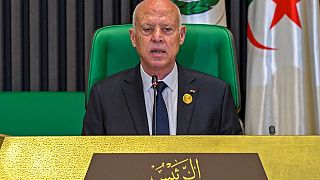
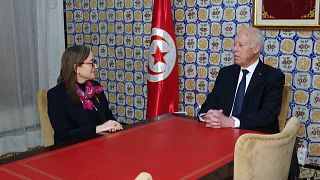
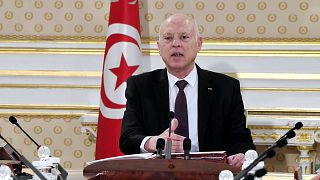
These new dispositions are the results of reform spearheaded by president Kaies Saied, who was elected in late 2019. On the 25th of July, 2021 Saied, took on full executive power, sacked the prime minister and dissolved the Parliament.
On the 30th of March 2022, he hailed a "historic moment", when announcing "the dissolution of the Assembly of Representatives of the people, to "preserve the state and its institutions and the Tunisian people."
Rached Ghannouchi, the speaker of the suspended Ennahdha-dominated parliament, was then accused of having plotted against state security.
Since then, he has been investigated on multiple charges including incitement and money laundering, denying all of them.
In April 2022, he deplored the state of the nation's democracy.
"The situation in our country is not good, the parliament has been dissolved and destroyed," he said.
The political situation has prompted thousands of Tunisians opposed to Kaies Saied's rule, to protest.
In a divided nation, Monday's parliamentary session will bring together 154 new Mps.
Their political leanings remain unclear though.
After dismantling the institutional edifice put in place by the semi-parliamentary Constitution of 2014, Tunisia’s president ushered his country into the era of hyper-presidentialism.


Go to video
Opposition vlogger's son and opposition figure kidnapped in Guinea
02:10
Hundreds rally in Chad for release of opposition leader Masra
02:02
Libya, Algeria, Tunisia sign agreement to share Sahara aquifer water
01:37
Tanzania opposition rejects commission report into election violence
01:35
Angolan opposition leader praises Pope Leo's 'powerful message'
01:06
Uganda’s “Sovereignty Bill” sparks alarm over diaspora funds and citizenship rights