



Zimbabwe
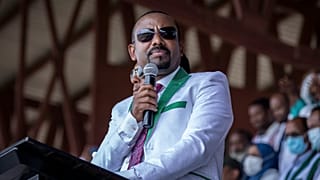
Zimbabwe's Vice-President, Constantino Chiwenga, announced that the country intends to introduce a law that would make it illegal for other nations to recruit its health workers.
The move aims to prevent the loss of valuable healthcare professionals to other countries, which has been a long-standing issue for Zimbabwe's healthcare system.
Mr Chiwenga, who is also the health minister, stated that the loss of healthcare professionals is comparable to human trafficking.
He announced stricter penalties for those who he alleged had deprived the nation of its human capital.
"If one deliberately recruits and makes the country suffer, that's a crime against humanity. People are dying in hospitals because there are no nurses and doctors. That must be taken seriously,” Mr Chiwenga said on Wednesday.
“Zimbabwe frowns at this heinous crime which is also a grave violation of human rights," he added.
Local media say more than 4,000 nurses and doctors have left Zimbabwe since February 2021.
The UK’s National Health Service has been an attractive destination for Zimbabwean doctors and nurses as wages are far higher than those paid back home.
Last month, the UK halted the recruitment of Zimbabwean health workers after the southern African country was placed by the World Health Organisation on the red list, which denotes countries facing serious health personnel challenges.
According to the Zimbabwe Medical Association, the country has about 3,500 doctors for a population of 15 million people.
Zimbabwe is facing an economic crisis characterized by high inflation that has significantly reduced wages.




01:45
WHO chief attends opening of Ebola treatment centre in eastern Congo
01:34
WHO chief is confident Ebola outbreak in DR Congo can be stopped
01:16
Race against Ebola: UNICEF, WHO and EU rush aid to Congo
00:01
Community outreach key to stopping Ebola outbreak, says Red Cross, as Uganda confirms 2 new cases
01:32
DR Congo: doctors combat Ebola with supportive care as patients show signs of recovery
01:15
DRC's ministers of health and communications arrive in Bunia to oversee Ebola response