



Democratic Republic Of Congo
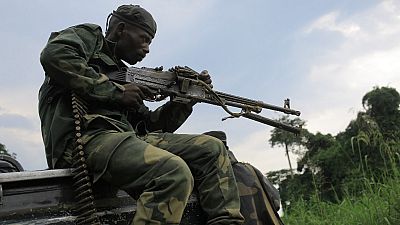
The United Nations said on Thursday that more than 30 people had been killed in new killings attributed to the ADF, a rebel group affiliated with the Islamic State group, in Ituri in northeastern Democratic Republic of Congo on April 2 and 3.
In his last quarterly report, published on 27 March, the UN Secretary-General, Antonio Guterres, had put at 485 the number of civilians killed between 1 December and 14 March in this province plagued by violence from several armed groups, including the ADF (Allied Democratic Forces).
It was then alarmed by a "sharp rise" in violence in the eastern provinces of the DRC.
In a statement issued on Thursday evening, the UN mission in the DRC (Monusco) said it had received reports of killings attributed to the ADF "on 2 and 3 April at the border between the territory of Mambasa and Irumu".
The head of Monusco, Bintou Keita, "condemns in the strongest terms" these new massacres and "deplores these despicable attacks against the civilian population", the statement said. "She urges the Congolese authorities to investigate and bring to justice those responsible for these summary executions.
Ms. Keita calls for "an immediate end to violence by all armed groups against civilians" and "reiterates the Secretary-General's call on foreign armed groups to lay down their arms unconditionally and return to their countries of origin.
The ADF are originally predominantly Muslim Ugandan rebels who have been operating since the mid-1990s in eastern DRC, where they are accused of massacring thousands of civilians.
They pledged allegiance in 2019 to the Islamic State group, which portrays them as its branch in Central Africa.


Go to video
Tigray war: Why peace talks may fail before they even begin {Africanews Debates}
10:00
Ethiopia: Federal forces advance in Tigray [Africanews Today]
01:02
DR Congo: Young doctor dies of Ebola as cases surge beyond epicentre
01:24
Ethiopia: Tigray forces seize airports as fighting spreads to Afar
01:08
DR Congo to probe violence, death of protestor at anti-govt rally
Go to video
Libya oil production hit after armed group shuts pipeline valve