



Climate crisis
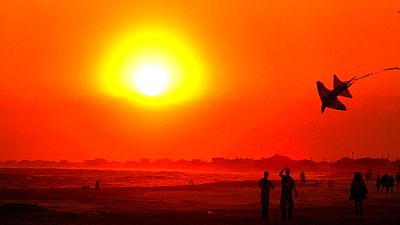
Recent soaring temperatures in West Africa and the Sahel, including Mali, have led to hundreds of deaths, with researchers attributing the extreme heat to human-induced climate change.
In Mali, temperatures surpassed 48°C last month, with Gabriel Toure Hospital reporting 102 deaths in early April, particularly affecting older individuals. Scientists argue that without human activities such as burning fossil fuels and deforestation, temperatures wouldn't have reached such alarming levels.
A study by the World Weather Attribution group found that climate change made temperatures in Mali and Burkina Faso up to 1.5°C warmer than usual, with nights being 2°C hotter on average. They warn that such heatwaves, once rare, could become more common as global temperatures continue to rise.
However, the severe drought plaguing Southern Africa earlier this year is attributed more to the El Niño weather phenomenon than climate change.
While millions faced hunger due to crop failures and water shortages leading to cholera outbreaks, researchers suggest that El Niño, not climate change, primarily influenced the low rainfall across the region from December to February.
These findings highlight the complex relationship between climate change and extreme weather events, with scientists emphasizing the need for urgent action to mitigate their impact.





00:57
Tunisia says 2026 summer hottest on record, temperatures topped 49.7°C
10:00
Cameroon: Thousands flee the Far North after Boko Haram attack [Africanews Today]
Go to video
Nigeria arrests Mexican national as authorities uncover suspected meth lab
Go to video
Uganda's Tooro kingdom succession disputed after death of King Oyo
Go to video
Madagascar ex-Senate president sentenced to 10 years over protest crackdown
01:04
Funerals held for victims of Algeria's deadly wildfires