



WHO
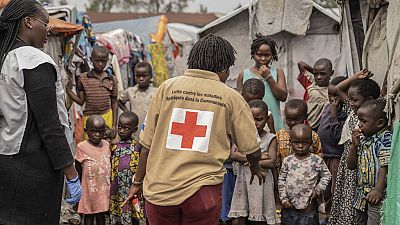
The U.N. health agency on Monday launched a six-month plan to help halt outbreaks of mpox transmission.
The plan includes ramping up staffing in affected countries and boosting surveillance, prevention and response strategies.
The World Health Organization said it expects the plan from September through February next year will require $135 million in funding and aims to improve fair access to vaccines, notably in African countries hardest hit by the outbreak.
"The mpox outbreaks in the Democratic Republic of the Congo and neighbouring countries can be controlled, and can be stopped," said WHO Director-General Tedros Adhanom Ghebreyesus in a statement.
The agency is "significantly scaling up staff" in affected countries, it said. In mid-August, WHO classified the current mpox outbreak as a global health emergency.
Also Monday, German government spokesperson Steffen Hebestreit said Germany is donating 100,000 doses of mpox vaccine to affected countries from stocks held by its military, German news agency dpa reported.
Last Tuesday, Congo the hardest-hit country reported more than 1,000 new mpox cases over the previous week.
In its latest update on the outbreak, the African Centers for Disease Control reported that as of Thursday, more than 21,300 suspected or confirmed cases and 590 deaths have been reported this year in 12 African countries.
Mpox belongs to the same family of viruses as smallpox but typically causes milder symptoms like fever, chills and body aches. It mostly spreads through close skin-to-skin contact, including sexual intercourse. People with more serious cases can develop lesions on the face, hands, chest and genitals.
01:49
WHO sees encouraging signs in Congo Ebola fight but warns of surging cases
Go to video
Nigeria arrests Mexican national as authorities uncover suspected meth lab
Go to video
Uganda's Tooro kingdom succession disputed after death of King Oyo
01:55
Ebola survivors in Beni take their lessons to schools as classes resume
01:06
WFP says Ebola response in Congo must include food aid
Go to video
Madagascar ex-Senate president sentenced to 10 years over protest crackdown