



Business Africa

Africa is poised for a breakout. An International Monetary Fund (IMF) forecast reveals the continent will be home to more high-growth economies—expanding by at least 6%—than any other in 2026.
Spotlighting the leaders: South Sudan and Guinea, each projected for double-digit growth, powered by oil and mining booms.
Meanwhile, East Africa's reform push is paying off, with Uganda, Rwanda, and Ethiopia averaging a robust 7%.
But the sunny forecast comes with clear warnings. Analysts point to major risks: climate shocks, political instability, and high debt.
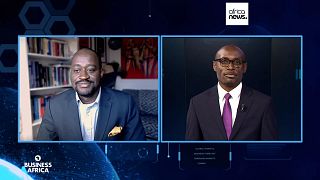
For a clear-eyed assessment, economist and Ghana finance ministry advisor Theophilus Acheampong joins the show. He breaks down what 2026 really holds and pinpoints the economic sectors to watch.
Debt: African sovereigns hope for lower interest rates in 2026
African countries will pay nearly $95 billion dollars to their creditors in 2026.
Countries like Kenya are dedicating a fifth of all government spending to debt repayments.
Squeezed by higher borrowing costs, developing countries are hoping that the prospect of interest rates coming down can bring some respite.
Electricity woes dog Central Africa's industrialization dreams
We also dive into a critical bottleneck for development: electricity.
Despite new investments, countries like the Central African Republic remain among the least electrified on earth, with unreliable power stifling entrepreneurs and industrial dreams.

![Gulf crisis draws attention to African oil [Business Africa]](https://images.euronews.com/articles/stories/09/65/72/07/320x180_cmsv2_db4e55e2-7272-5a4d-802b-f52c33312305-9657207.jpg)



00:37
Touadera sworn in for third term as Central African Republic president
01:07
In search of gas supplies: Italian Prime Minister Meloni visits Algiers
00:50
Uganda: economy expanded by 8.5% in last quarter in December
Go to video
Turbulence in fuel markets hitting African airlines hard
01:51
Middle East war boosts traffic through Kenyan port of Lamu
01:00
Blackout plunges cuba into darkness and exposes fragile power grid