



Kenya
A devastating outbreak of the deadly kala-azar disease is surging across Kenya, fueled by climate change and hampered by a critical lack of diagnostic and treatment facilities, pushing vulnerable communities to the brink.
Kala-azar, or visceral leishmaniasis, is a neglected tropical disease with a 95% fatality rate if untreated.
Cases in Kenya have more than doubled from 1,575 in 2024 to 3,577 in 2025.
The parasite, spread by sandflies, is now reaching new regions, endangering millions.
Diagnostic failures and human cost
The story of 60-year-old Harada Hussein Abdirahman illustrates the crisis.
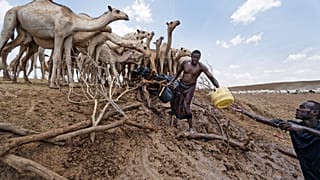
Misdiagnosed for a year while herding livestock in Mandera county, she told AFP, “I thought I was dying.”
Her ordeal is common in hotspots with only three treatment centers.
Experts warn that mistakes in testing are often fatal.
A perfect storm of challenges
“Climate change is expanding the range of sandflies,” says researcher Dr. Cherinet Adera.
Prolonged drought followed by rain creates ideal breeding conditions.
Meanwhile, treatment is grueling—30 days of daily injections and transfusions costing about $775, a sum far beyond most in affected arid regions.







02:19
Kenya: Nairobi fashion week challenges industry to rethink consumption
01:19
United Nations renews political mission in Haiti for another year
01:11
Kenya starvation cult leader charged in connection with 52 further deaths
00:56
Road collision involving fuel tanker causes huge fire in Nairobi
01:19
Kenyan police unit comes under fire in Port-au-Prince
01:44
Kenya’s Boda Girls ride to save lives in remote communities