



Tunisia
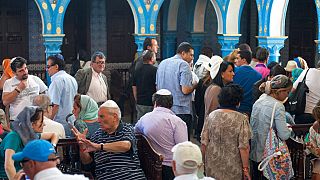
A modest number of international pilgrims are returning to Tunisia’s island of Djerba for the annual Jewish pilgrimage, as authorities maintain heightened security and a subdued atmosphere following past attacks.
The annual pilgrimage to the Ghriba synagogue, Africa's oldest, has in the past drawn thousands of pilgrims from Europe and beyond, attracting international and local tourists as well.
But after a deadly 2023 attack on the synagogue that killed two worshippers and three police officers, fewer pilgrims have been turning out while officials also placed restrictions on the event.
René Trabelsi, the pilgrimage organiser and former tourism minister, said confidence is gradually being restored, with around 200 pilgrims arriving from abroad despite ongoing regional tensions.
“Confidence in this pilgrimage is starting to come back. Given the international context and the problems in the Middle East, that’s understandable," he said.
"But the Tunisian authorities, the Tunisian state, have put in place exceptional security measures, whether at the airport, around the island, or here at the La Ghriba pilgrimage itself.”
At the historic synagogue, religious activities have continued, but celebrations remain on hold, reflecting both lingering fear and respect for victims of the 2023 attack.
“We are currently seeing visitors return, but only for religious rites. Since 2024, we have not closed the temple, and we cannot prevent rites from being carried out there," said Perez Haddad, who is in charge of the synagogue_._
"However, as far as celebrations are concerned, we have not yet resumed them, for several reasons: the main one is that we are still in mourning for the victims, and the second is that visitors are still afraid to come back," he added.
Despite concerns, some pilgrims say the reality on the ground is reassuring, pointing to a welcoming atmosphere and strong security presence.
“I feel that we're given a very warm welcome in Tunisia, despite what's in the news, despite everything people might tell us," said French pilgrim Philippe Uzzan.
"We feel loved, because the problem today is that people don't know each other. There's a lot of mistrust, but here, there's no mistrust.”
The pilgrimage’s gradual revival signals a cautious step toward normalcy for one of North Africa’s most significant Jewish religious gatherings.




02:02
Libya, Algeria, Tunisia sign agreement to share Sahara aquifer water
Go to video
'You are not alone': Pope Leo delivers message of hope to Equatorial Guinea prisoners
01:23
Pope Leo XIV urges justice on visit to Equatorial Guinea
00:54
Pope Leo XIV touches down in Equatorial Guinea
Go to video
Tomb of Pope Francis draws thousands of faithful in year since his death
Go to video
Excitment in Equatorial Guinea's capital ahead of Pope Leo's visit